
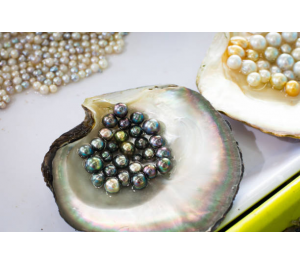
Pearls: their presence in fashion.
Pearls have captivated humanity for millennia.
More than just marine gems, they are silent narrators of history, symbols of elegance, and protagonists of stylistic revolutions.
From Cleopatra to Coco Chanel, Roman emperors to contemporary designers, they have occupied a privileged place in jewelry, fashion, and the collective imagination.
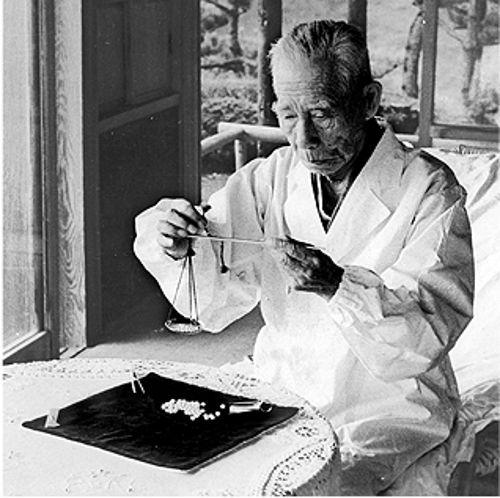
A journey through time The first references to pearls date back more than 4,000 years in cultures such as China, India, and Egypt. In ancient Rome, Julius Caesar considered them such an exclusive symbol of power that he banned their use among the lower classes. During the Middle Ages, they acquired a spiritual character and were frequently used in royal ceremonies, while in the Renaissance they became a symbol of courtly luxury. But the real change came in 1893, when Kokichi Mikimoto in Japan successfully cultivated the first artificial pearl.
This revolution turned Japan into the global epicenter and democratized access to this symbol of sophistication. Shortly thereafter, in 1890, Majorica was founded in Mallorca, Spain, a pioneering company in the creation of organic pearls using sustainable and artisanal processes that elevated their quality to extraordinary levels.
Thanks to companies like these, pearls ceased to be the exclusive privilege of royalty.
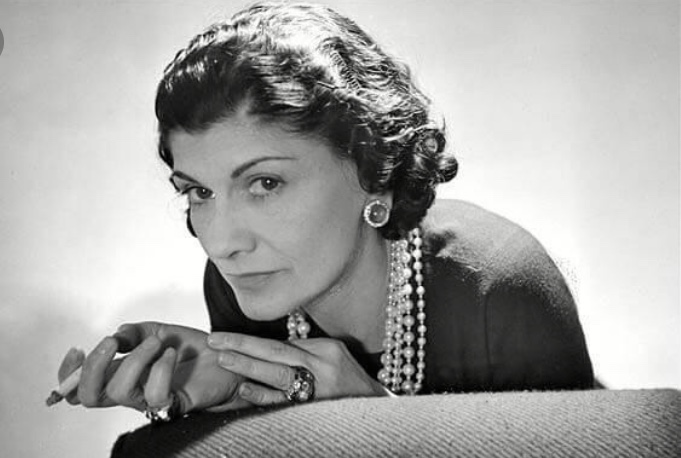
Coco Chanel and her pearl revolution In the 20th century, designer Gabrielle Chanel redefined the place of pearls in fashion. For her, it was not about wealth, but about style.
Chanel began wearing them in the form of long, faux necklaces, paired with tweed suits or simple black dresses. In the 1920s, her decision to wear fake pearls was a provocative act: she broke with jewelry elitism, championed accessible aesthetics, and opted for functionality. Her famous quote, "A woman needs strings and strings of pearls," sums up her vision: pearls were not exclusive to formal occasions, but an everyday accessory that lent presence and distinction.
Over the following decades, they became a bourgeois symbol, and in the 1970s and 1980s, their classic use returned to shine in conservative circles. Today, the "pearlcore" movement takes up that essence and transforms it into an urban, genderless, and avant-garde trend.
Catwalks and designers who worship pearls Pearls have made a strong comeback in the 21st century, led by designers who reinterpret them with new narratives: Simone Rocha makes them the stars of her collections, integrating them into translucent garments, baroque headdresses, and exuberant accessories.

- Marc Jacobs adopts them in looks that range from classic to provocative, demonstrating their timeless power.

- Jacquemus, with its "Le Chouchou" fashion show in Versailles, paid tribute to Lady Di with pearl chokers featuring a nostalgic yet updated aesthetic. Gucci, Chanel, and Louis Vuitton have incorporated them into gender-neutral collections, using them on bags, glasses, and jewelry for both men and women, breaking down stylistic barriers. Even punk designers such as Vivienne Westwood have fused them with chains and pins, demonstrating their aesthetic versatility. Emotional marketing and iconic campaigns The "pearlcore" phenomenon is not only evident on the catwalks, but also on social media and in marketing. Brands such as Majorica and Chanel have opted for campaigns that promote sustainability, artisanal heritage, and an emotional connection with the piece.
Celebrities such as Harry Styles, Rihanna, and Chiara Ferragni have made pearls visible as a symbol of modernity and freedom of expression. Thanks to them, pearls are no longer seen as an accessory "for ladies" but have become part of contemporary aesthetic language.
⚖️ What makes pearls unique compared to other jewels?
Unlike diamonds, pearls stand out for their soft elegance and pearly luster, which is less intense but more organic. Compared to gold, which is durable and traditional, pearls require special care: they are more fragile (their hardness on the Mohs scale is only 2.5–3) and sensitive to perfumes and chemicals. Even so, their symbolic history, stylistic versatility, and emotional connection make them a soulful choice, perfect for those seeking more than simple adornment.
Pearls are much more than jewelry:
they are capsules of history, gestures of style, and silent statements of identity. In an era that celebrates authenticity and diversity, pearls continue to prove that elegance does not go out of style, but rather transforms, shines, and resurfaces in each generation.
All comments