

The Louvre heist
On Sunday, 19 October 2025, the Louvre Museum in Paris—a universal symbol of art and history—was the scene of a robbery that seemed straight out of a thriller novel. In just seven minutes, four individuals stole eight imperial jewels from the Apollo Gallery, leaving behind a void in heritage and a wave of questions that still shake the world of jewellery.
The heist: how, when and where
The theft took place early in the morning, just after the museum opened. The thieves, disguised as maintenance workers, used a lifting platform to access a first-floor balcony on the façade facing the River Seine. Equipped with power tools, they broke into the armoured display cases in the Apollo Gallery—the space that houses the French Crown Jewels—and fled on motorcycles before the alarms were activated.
The operation was as precise as it was daring: seven minutes were enough to breach one of the most sophisticated security systems in Europe. Surveillance cameras captured blurry images of the suspects, but no arrests have been made so far.
The stolen jewels: history, origin and value
The eight stolen pieces belong to the 19th-century imperial collection, many of them commissioned by Napoleon Bonaparte and his nephew Napoleon III. They are not only masterpieces of goldsmithing, but also symbols of power, love and political propaganda. 1. Eugenia de Montijo's tiara
Origin: Gift from Napoleon III to his wife, Empress Eugénie.
Composition: 1,998 diamonds and 212 natural pearls.
Estimated value: More than €15 million, although its historical value is incalculable.
Significance: It represents the splendour of the Second Empire and Spanish influence in the French court.

2. Maria Luisa's emerald necklace
Origin: Gift from Napoleon Bonaparte to his second wife in 1810.
Composition: 32 Colombian emeralds and 1,138 diamonds.
Estimated value: Over €10 million.
Significance: Symbol of the alliance between France and Austria, and of imperial power.
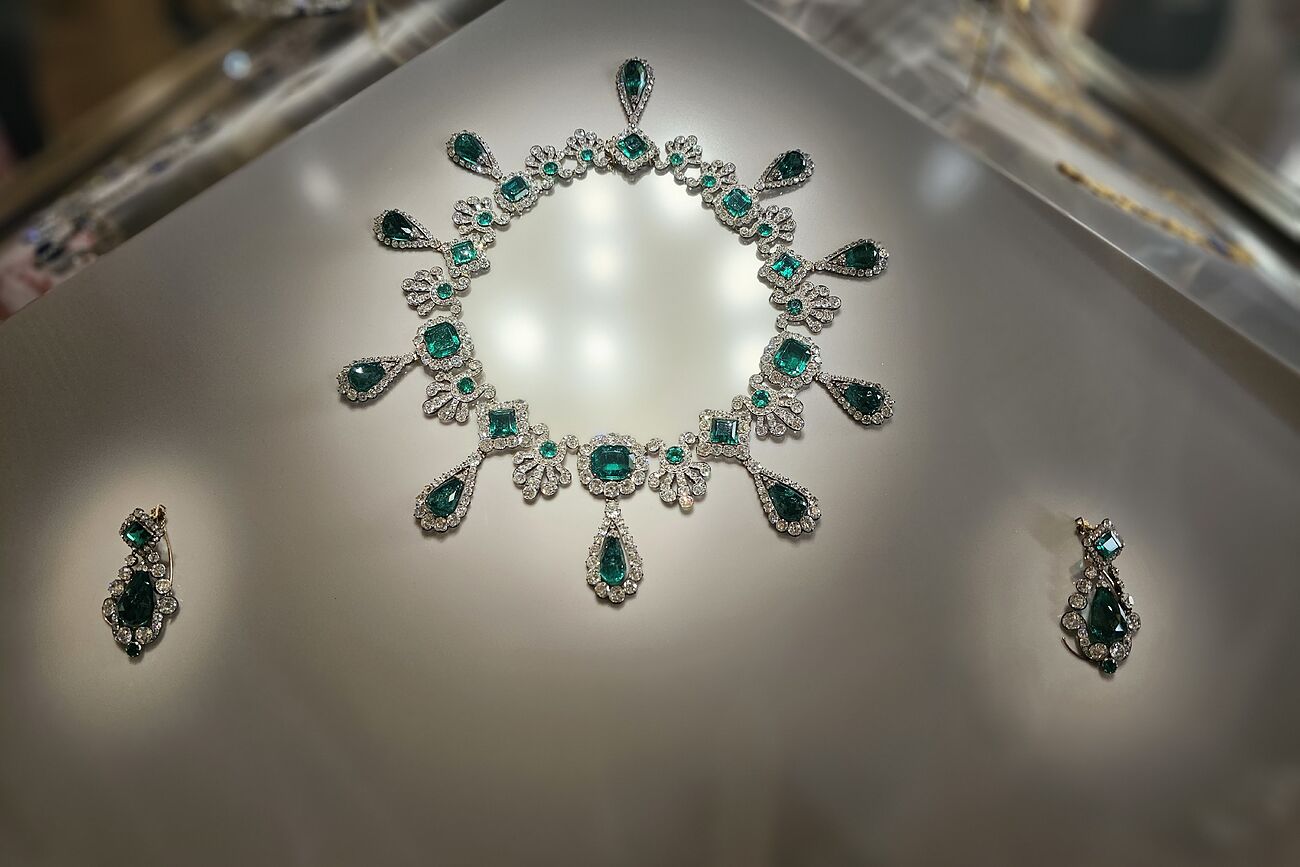
3. Emerald earrings
Origin: Part of Maria Luisa's collection.
Composition: 6 emeralds and 108 diamonds.
Estimated value: €2–3 million. 4. Marie Amélie's crown
Origin: Belonging to the Queen Consort of King Louis Philippe I.
Composition: Diamonds and emeralds set in gold.
Estimated value: Unquantifiable due to its rarity and symbolism.
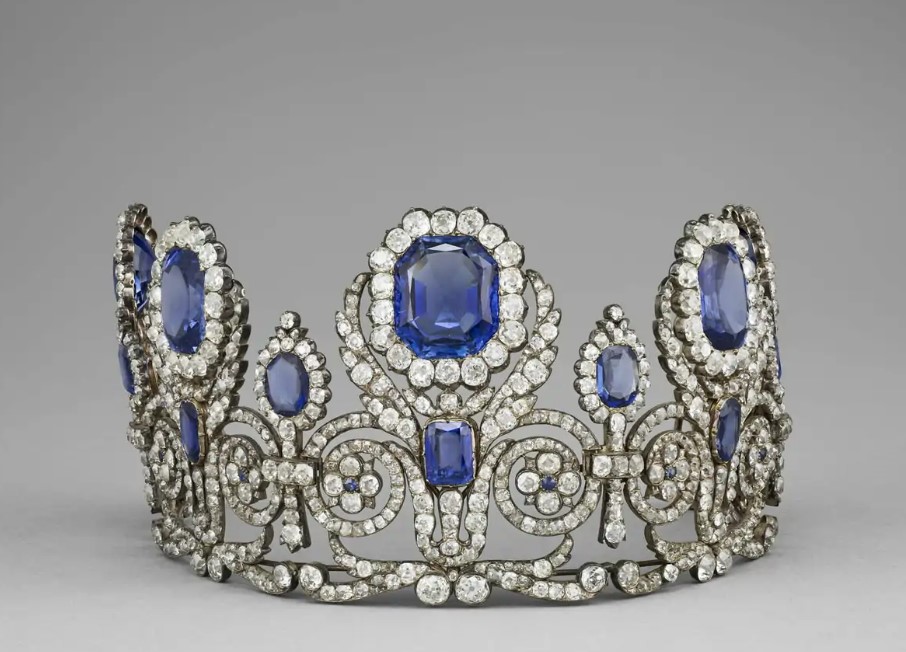
5. Hortensia de Beauharnais brooch
Origin: Ceremonial piece from the First Empire. Composition: Sapphires, diamonds and enamel. Estimated value: €1–2 million. These jewels not only represent the luxury of an era, but also the political and emotional narrative of the French monarchy and empire. Their loss is an open wound in European heritage. Why and for what? The black market and the threat of dismantling
French authorities suspect that the theft was orchestrated by an international criminal network specialising in art and antiques. Given that the pieces are easily identifiable, there are fears that they will be dismantled and sold in parts—loose gems, melted mountings—to avoid detection. This type of crime seeks not only financial gain, but also symbolic destruction: by separating the stones from their historical context, their identity is erased and art is turned into anonymous merchandise.
Repercussions in the jewellery world
The impact of the theft has been immediate and profound:
Enhanced security: Museums, jewellers and auction houses are reviewing their protocols. There is talk of incorporating artificial intelligence, thermal sensors and chemical tracers into the most valuable pieces.
Symbolic revaluation: Historical jewellery has gained prominence as a bearer of narratives, not just as luxury items.
Market alert: Experts warn of the possible circulation of stolen gems disguised as antiques at international auctions.
At WhyNotGems, we believe that every piece of jewellery tells a story. This theft reminds us that the true value of a gem lies not only in its carat weight, but in its ability to connect generations, cultures and emotions. What now? Investigation, policy and memory
President Emmanuel Macron has described the incident as "the heist of the century" and has promised to strengthen the security of the national heritage. The Louvre remains closed while an internal audit is conducted. Interpol has issued international alerts and recovery protocols have been activated in collaboration with auction houses and private collectors.
Meanwhile, the jewellery world watches closely, and art and history lovers mourn a loss that goes beyond gold and precious stones.
All comments