
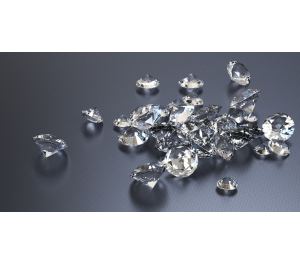
For centuries, diamonds have been the undisputed star of engagement rings, luxury jewellery and declarations of eternal love. But if we stop to take a closer look (literally and metaphorically), we discover that their reign is not solely due to their physical properties... but to one of the most successful marketing campaigns in modern history.
At WhyNotGems, we like to question the status quo and champion the extraordinary. Today we'll tell you how diamonds became a universal symbol of love, and why other gems also deserve their place on the throne.
What is it about diamonds?
From a technical point of view, diamonds are impressive:
They are the hardest natural material known (10 on the Mohs scale).
They have high light dispersion, which gives them their characteristic "fire".
They are chemically simple: pure carbon crystallised under extreme pressure.
But here's the twist: they are neither the rarest, nor the most colourful, nor the most symbolically rich. Gems such as tanzanite, demantoid garnet, black opal and alexandrite have changing colours, fascinating histories and a real scarcity that diamonds do not always share.
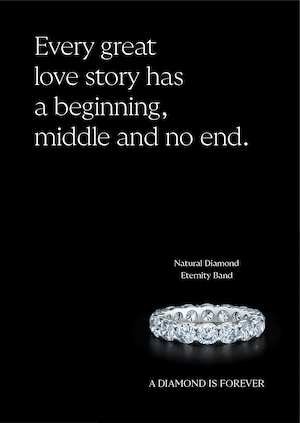
The marketing campaign that changed everything: De Beers and "A Diamond is Forever"
In the 1930s, the diamond market was in crisis. De Beers, which controlled much of the world's production, needed to create demand. The solution? An advertising campaign that didn't sell stones... it sold emotions.
In 1947, the N.W. Ayer agency coined the slogan "A Diamond is Forever," and with it, a cultural revolution began:
Diamonds were linked to eternal love, making them almost mandatory gifts for engagements.
The idea that diamonds cannot be resold was promoted, reinforcing their sentimental value and preventing the secondary market from driving down prices.
Spending guidelines were created, such as the famous "two months' salary" for an engagement ring.
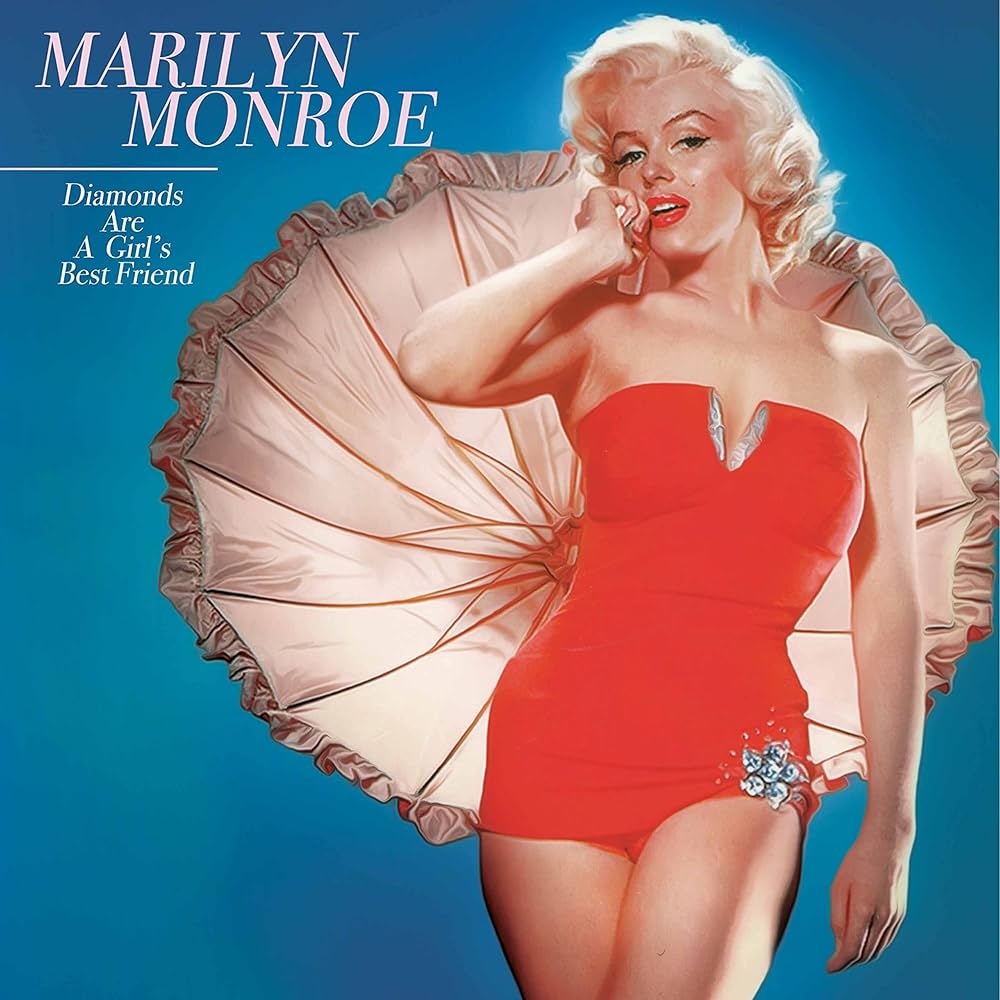
It infiltrated Hollywood, showcasing diamonds in films, on red carpets and on celebrities.
This campaign not only increased sales: it created a tradition. In just a few years, diamonds went from being just another option to becoming the global romantic standard.
The marketing campaign that changed everything: De Beers and "A Diamond is Forever"
In the 1930s, the diamond market was in crisis. De Beers, which controlled much of the world's production, needed to create demand. The solution? An advertising campaign that didn't sell stones... it sold emotions. In 1947, the N.W. Ayer agency coined the slogan "A Diamond is Forever," and with it, a cultural revolution began: Diamonds were linked to eternal love, making them almost mandatory gifts for engagements. The idea that diamonds cannot be resold was promoted, reinforcing their sentimental value and preventing the secondary market from driving down prices. Spending guidelines were created, such as the famous "two months' salary" for an engagement ring. It infiltrated Hollywood, showcasing diamonds in films, on red carpets and on celebrities. This campaign not only increased sales: it created a tradition. In just a few years, diamonds went from being just another option to becoming the global romantic standard.
All comments