
Synthetic diamond revolution: A new era in jewelry
Diamonds have been symbols of luxury, status and eternal love for centuries. Their presence in engagement rings, watches and exclusive jewelry has made them the standard of sophistication. However, the jewelry industry is undergoing a radical transformation with the advent of synthetic diamonds and innovative alternatives such as moissanite.
Natural diamonds: Beauty with history
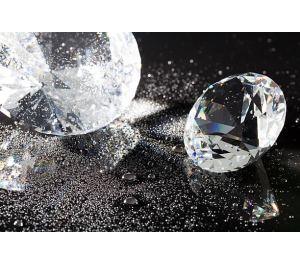
A natural diamond is a wonder of nature formed under extreme pressure over millions of years in the depths of the Earth. They are known for their extreme hardness-the hardest of any natural material-and for their impressive ability to refract light, which gives them their characteristic sparkle.
Their popularity lies not only in their physical properties, but also in the impact of advertising. Campaigns such as De Beers' “A Diamond Is Forever” in the 1940s established the connection between diamonds and eternal love, solidifying their place as the perfect gift for special occasions.
Synthetic Diamonds: The Evolution of the Industry
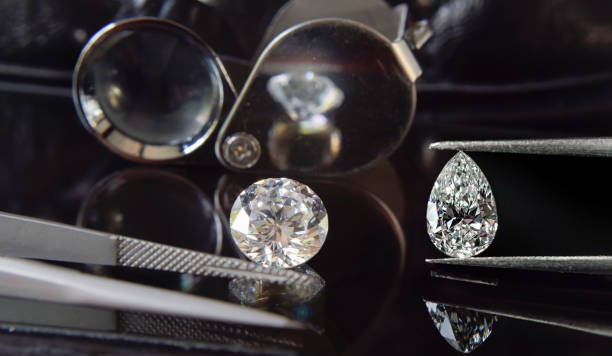
Synthetic diamonds are laboratory-created gems with the same chemical and physical properties as natural diamonds. There are two main manufacturing methods:
High pressure high temperature (HPHT), which mimics the natural process.
Chemical vapor deposition (CVD), which is more modern and efficient.
The growth of synthetic diamonds has been driven by their lower environmental impact and more affordable price. Thanks to their flawless quality and lack of imperfections, they are gaining ground in the jewelry market and in industrial applications.
Moissanite: The Brilliant Alternative
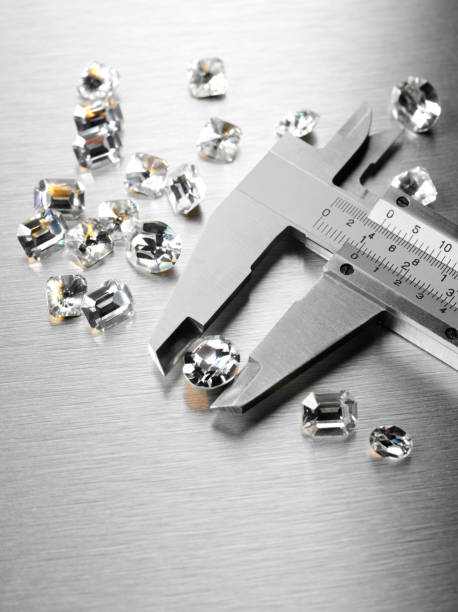
If you are looking for a gemstone with spectacular brilliance and a more sustainable option, moissanite is the perfect choice. Although in its natural state it is very rare, today it is produced in a laboratory, offering a visually similar alternative to diamonds but with unique characteristics:
Higher light refraction, giving it a more intense brilliance.
Lower cost, allowing more accessible and eye-catching designs.
Greater thermal resistance, ideal for daily use.
In addition, moissanite is not subject to the same market controls as diamonds, making it an ethical and conflict-free option.
The Future of Jewelry: A More Diverse Marketplace
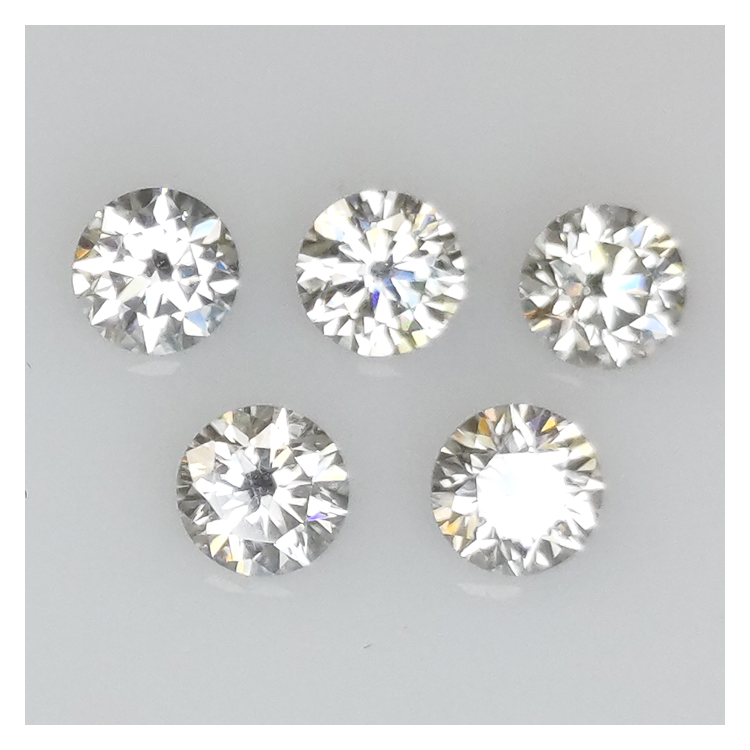
The rise of synthetic diamonds and moissanite is diversifying the jewelry industry. While natural diamonds retain their prestige, new generations are opting for more accessible and environmentally friendly alternatives. With this transformation, moissanite is emerging as a jewel of the future, combining beauty, sustainability and accessibility in a single stone.
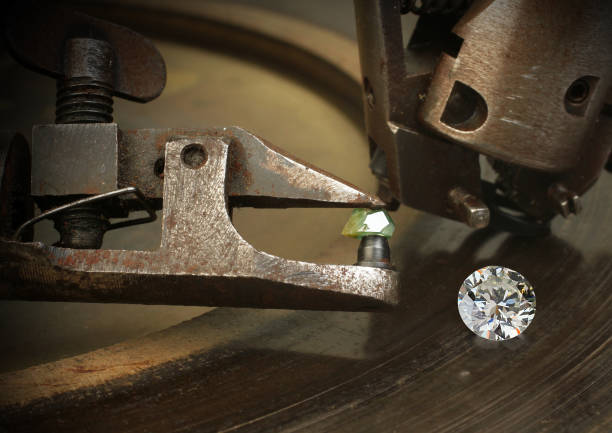
If you are looking for a bright, modern and responsible option, moissanite is the answer. Will this be the true revolution in the jewelry world?
All comments