
Mineraloids vs minerals
Opal and quartz share a similar chemical base, but differ in their internal structure: quartz is a crystalline mineral, while opal is an amorphous mineraloid with water in its composition. This difference determines their optical and physical properties and their use in jewellery.
Mineraloids vs minerals: what distinguishes opal from quartz?
In the world of gems and minerals, there is a fundamental distinction that often goes unnoticed: the difference between minerals and mineraloids. This classification not only affects how these substances are studied, but also how they are valued in jewellery, collecting and geology. Today we explore this difference through two brilliant protagonists: quartz, one of the most common minerals on the planet, and opal, a fascinating gemstone that, although similar in composition, belongs to another category.
What is a mineral?
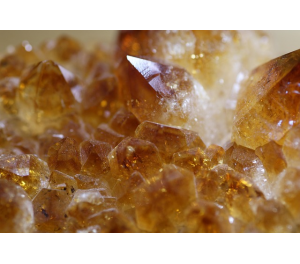
A mineral is a solid, natural, inorganic substance with an ordered crystalline structure and a defined chemical composition. This means that its atoms are organised in repetitive patterns that give it specific shapes and physical properties. Quartz, for example, is composed of silicon dioxide (SiO₂) and forms hexagonal crystals that can be found in geodes, veins, or as part of igneous and metamorphic rocks.
What is a mineraloid?
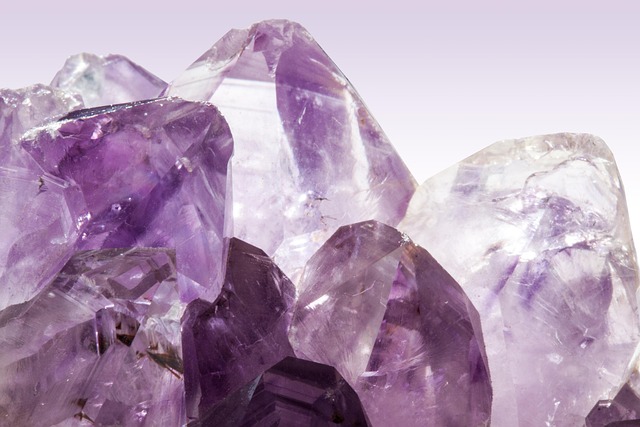
A mineraloid, on the other hand, is a natural substance that does not have a crystalline structure. Although it may resemble a mineral in appearance, it lacks that internal order. In addition, its chemical composition can vary more widely. Opal is the most famous example: it is composed of hydrated silica (SiO₂·nH₂O), which means that it contains water molecules trapped between its amorphous silica particles.
Opal vs quartz: key differences
|
Propiedad |
Ópalo (Mineraloide) |
Cuarzo (Mineral) |
|
Composición química |
SiO₂·nH₂O (sílice hidratada) |
SiO₂ (dióxido de silicio) |
|
Estructura interna |
Amorfa (sin cristales) |
Cristalina (hexagonal) |
|
Dureza (Mohs) |
5–6.5 |
7 |
|
Transparencia |
Translúcido a opaco |
Transparente a translúcido |
|
Lustre |
Vítreo a ceroso |
Vítreo |
|
Propiedades ópticas |
Juego de colores (difracción de luz) |
Sin juego de colores |
|
Formación |
Gel de sílice en cavidades húmedas |
Cristalización en ambientes geotérmicos |
Why does opal sparkle the way it does?
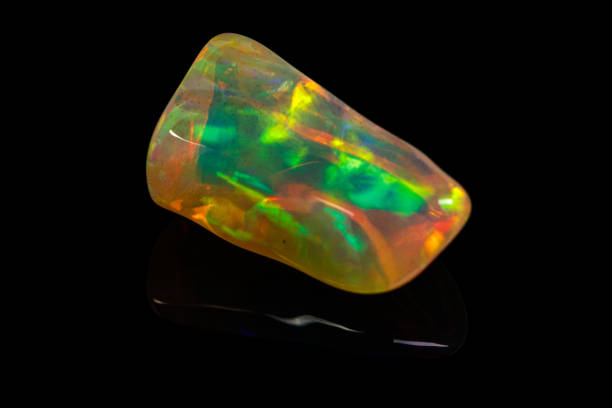
The famous play of colours in opal is due to the way light interacts with the tiny spheres of amorphous silica inside it. These spheres are arranged in patterns that diffract light, creating flashes of blue, green, red and yellow. This phenomenon does not occur in quartz, whose crystalline structure does not allow for such diffraction.
Visual examples to understand it better
- Precious Australian opal: displays an internal rainbow that changes depending on the angle of view.
- Crystalline quartz: transparent, with well-defined faces and no play of colour.
- Common opal: white or grey, no play of colour, but with a waxy texture.
- Amethyst quartz: intense violet, with visible hexagonal structure.
Why does this difference matter?
From a gemological standpoint, knowing whether a stone is a mineral or a mineraloid affects its value, durability, and treatment. Quartz, being harder, is used in watches, technology, and durable jewellery. Opal, being more delicate, requires protective settings and special care. Furthermore, its unique beauty makes it an emotionally powerful gemstone, associated with creativity and mystery.
Conclusion
Although opal and quartz share a silica base, their structural differences place them in distinct categories. Quartz, with its crystalline order, represents stability and clarity. Opal, with its amorphous structure and play of colours, embodies magic and transformation. At Whynotgems, we celebrate both gems for what they are: unique expressions of nature that invite us to look beyond the obvious.
All comments